
A quick post on how to extract AutoHotKey scripts from an AutoHotKey script compiled executable.
The SOC Toolbox: Analyzing AutoHotKey compiled executables

A quick post on how to extract AutoHotKey scripts from an AutoHotKey script compiled executable.

Whilst Microsoft is fixing the embedded files feature in OneNote I decided to abuse a whole other feature. Embedded URLs. Turns out this is something they may also have to fix.

In recent weeks OneNote has gotten a lot of media attention as threat actors are abusing the embedded files feature in OneNote in their phishing campaigns. In this post we will analyze this new way of malware delivery and create a detection rule for it.

Introduction Today we will take a first look at malware-based attacks on ATMs in general, while future articles will go into more detail on the individual subtopics. ATMs have been robbed by criminal gangs around the world for decades. A successful approach since ~ 20 years is the use of highly flammable gas, which is … Continue reading Malware-based attacks on ATMs – A summary
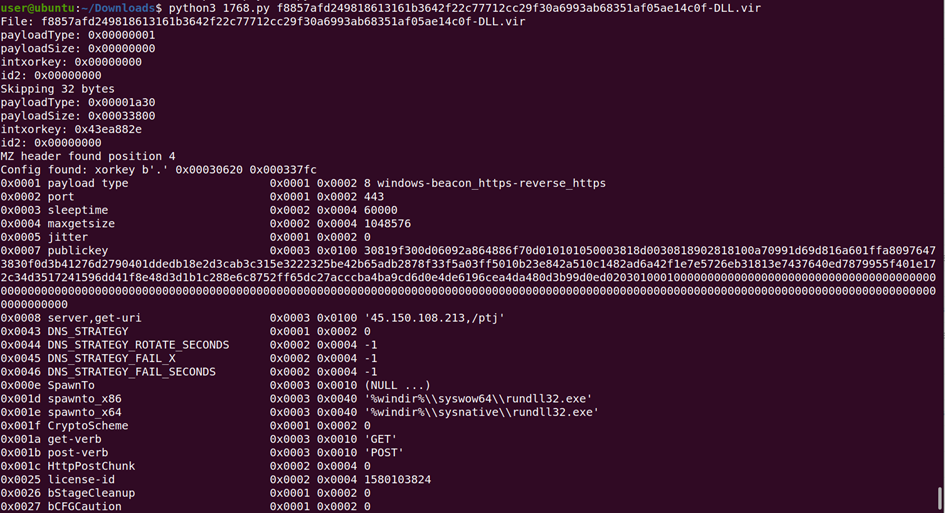
Update 24/10/202: We have noticed 2 changes since we published this report 3 months ago. The code has been adapted to use registry key “HKEY_CURRENT_USER\SOFTWARE\Microsoft\Personalization” instead of “HKEY_CURRENT_USER\SOFTWARE\Microsoft\Phone” (sample SHA256 ed2f654b5c5e8c05c27457876f3855e51d89c5f946c8aefecca7f110a6276a6e) When the payload is Cobalt Strike, the beacon configuration now contains hostnames for the C2, like r1dark[.]ssndob[.]cn[.]com and r2dark[.]ssndob[.]cn[.]com (all prior CS samples we … Continue reading Analysis of a trojanized jQuery script: GootLoader unleashed
In this blog post, we will not only analyze an interesting malicious document, but we will also demonstrate the steps required to get you up and running with the necessary analysis tools. There is also a howto video for this blog post. I was asked to help with the analysis of a PDF document containing … Continue reading Analyzing a “multilayer” Maldoc: A Beginner’s Guide